Complaints Procedure for Commercial Waste Removal Richmond upon Thames
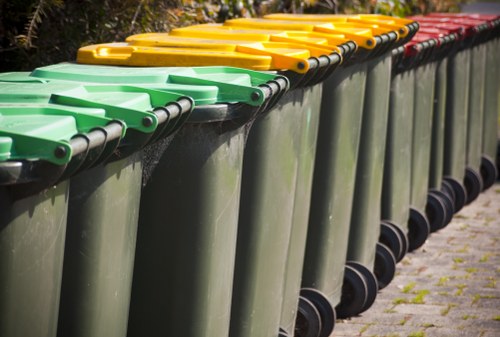 This Complaints Procedure explains how concerns about commercial waste removal Richmond upon Thames operations are handled. It sets out a clear, transparent process for businesses and organisations that use commercial rubbish removal services, covering acknowledgement, investigation, resolution and record-keeping. The aim is to ensure fair treatment for all commercial clients and contracted partners while maintaining compliance with relevant environmental and waste management standards.
Our complaints framework applies to issues arising from the delivery of commercial waste collection, refuse removal schedules, missed collections, unsafe practices and any perceived breaches of contractual terms. It is designed to be proportionate, timely and impartial. While tailored to the service area, the procedure emphasises consistent standards and remedies applicable to commercial waste services across the service region.
 This policy does not replace contractual terms but complements them by providing an operational route to resolution. It addresses complaints from businesses, property managers, waste producers and authorised representatives. The procedure aims to resolve most issues internally; where that is not possible, independent escalation options are described so that unresolved disputes can be considered by external bodies where appropriate.
How to Report a Complaint
Complaints should be submitted in writing or via the accepted customer channels used by the commercial waste service provider. When raising an issue, provide a clear description of events, the date and time of the incident, the location of the affected premises and any supporting evidence such as photographs or job references. This information enables an efficient initial assessment.
On receipt, the complaint will be acknowledged promptly and logged for investigation. The acknowledgement will confirm the complaint reference and outline the next steps, expected timescales and the officer assigned to manage the case. This stage ensures traceability and helps prioritise matters that present environmental or health risks.
 All complainants should expect confidentiality and fair treatment. Records are handled in accordance with data protection standards and only shared with relevant staff and authorised agents involved in the investigation. Where a complaint involves third parties, consent to share information may be requested unless there are overriding legal or safety considerations.
Investigation and Decision Making
The investigation will follow a structured approach: gather facts, interview crew or contractors, examine operational logs and review any photographic or documentary evidence. Investigators assess compliance with contractual obligations, service level agreements and accepted waste management practices. A balanced assessment determines whether a breach occurred and the most appropriate remedial action.
Typical investigative steps include:
- Reviewing collection schedules and vehicle tracking where available;
- Interviewing drivers, operatives and site managers;
- Examining permits, transfer documentation and waste streams;
- Considering mitigating circumstances such as exceptional weather or safety constraints.
Decisions are recorded and communicated in writing. If a complaint is upheld, the response will specify corrective actions, any service credits or compensation where applicable, and the timeframe for completion. If the complaint is not upheld, the explanation will set out the reasons and the evidence considered.
 Escalation and Independent Review: if the outcome is disputed, the complaint may be escalated internally to a senior manager for review. Where contractual or regulatory routes are appropriate, the complainant will be informed of the external bodies or arbitration mechanisms that can review the decision. The process emphasises impartiality and offers a clear chain of escalation for unresolved commercial waste disputes.
Record-keeping is central to continuous improvement. All complaints and outcomes are retained for audit, trend analysis and performance monitoring. Patterns of recurrent issues trigger corrective measures such as revised operating procedures, additional staff training, route adjustments or supplier performance reviews to reduce the likelihood of repeat incidents in commercial rubbish removal operations.
 Scope and Limitations: this procedure covers operational and service delivery issues related to commercial waste removal and collection. It does not extend to contractual negotiation, pricing disputes outside the scope of service failure, or matters that are the subject of active legal proceedings. Retention periods for complaint records and the approach to sensitive information follow applicable regulations and internal policy.
The company is committed to learning from complaints and using that learning to enhance service quality. Regular reviews of complaint trends inform policy updates and operational improvements to ensure a resilient and responsive commercial waste service across the area. Training and performance monitoring support these objectives so that rubbish collection and waste management remain safe and compliant.
Rights and expectations: complainants can expect a timely and proportionate response, transparent reasons for decisions and clear remedies where service failures are identified. The procedure is intended to be accessible and objective, protecting the rights of customers, staff and third-party contractors while maintaining environmental and public health standards.
Policy review: this complaints procedure is subject to periodic review to reflect regulatory changes, service innovations and lessons learned from prior complaints. The goal is continuous improvement in commercial waste management, ensuring that operations remain effective, compliant and responsive to the needs of businesses and institutions within the service area.