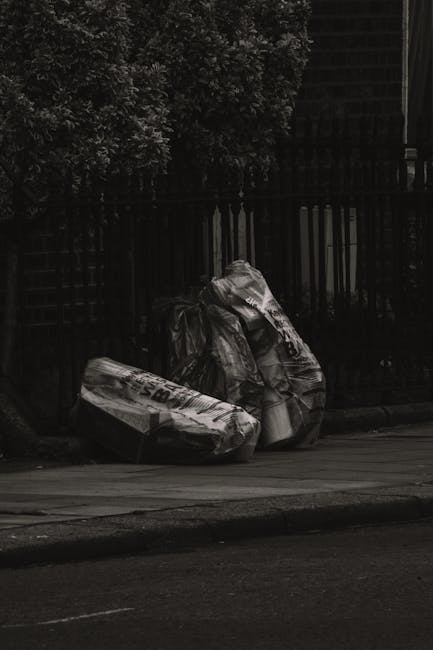
Teddington TW11 rubbish removal tips for flat clearances

If you are planning a flat clearance in Teddington TW11, the rubbish side of the job can feel bigger than the flat itself. Tight stairwells, shared hallways, parking that disappears the moment you need it, and a surprising number of things that "might come in handy one day" all add up. The good news? With a calm plan, a few sensible sorting habits, and the right approach to removal, a flat clearance does not have to turn into a full-scale weekend drama. These Teddington TW11 rubbish removal tips for flat clearances are designed to help you work faster, stay organised, and avoid the common mistakes that waste time and money.
Whether you are clearing after a move, handling a rental handover, helping family, or just trying to reclaim space that has quietly filled up over the years, the basics stay the same: sort properly, protect the property, and remove waste in a way that suits the building. Let's get into the practical stuff.
Why Teddington TW11 rubbish removal tips for flat clearances Matters
Flat clearances are different from house clearances in all the obvious ways, and a few not-so-obvious ones. You usually have less space to sort things, less room to stage items, and more people around who may need access to the same staircase, lift, or front door. In a place like Teddington TW11, where flats can sit in converted buildings, maisonettes, or managed blocks, small access issues can quickly become the thing that slows everything down.
That is why the right rubbish removal approach matters. It helps you avoid blocking communal areas, reduces the chance of damage, and makes it easier to separate reusable furniture from genuine waste. It also helps you keep control of the job. Once bags, broken shelving, old bedding, and random cupboard contents start piling up, the process becomes messy in a very literal way. A tidy clearance plan stops that from happening.
There is also a trust side to this. If you are a tenant, landlord, letting agent, or family member helping with an estate or move-out, you want the clearance to be completed neatly and responsibly. A rushed job can leave dust, packaging, or bulky waste behind. In our experience, that is when people start saying things like, "I thought we were nearly done," and then another two hours disappear. Nobody enjoys that feeling.
Good rubbish removal tips also help with decision-making. What should be taken away? What can be reused? What needs specialist handling? What should not be left in a communal bin area? These are simple questions, but they matter a lot when you are clearing a flat under time pressure.
How Teddington TW11 rubbish removal tips for flat clearances Works
The best way to think about flat clearance is in stages rather than one giant task. First, you identify what is staying, what is going, and what needs special handling. Then you separate the items into practical categories: furniture, mixed household waste, electricals, textiles, and anything potentially hazardous. After that, you arrange the removal method that fits the amount of waste, the access, and the timing.
For many flat clearances, the job is made easier by using a service that handles mixed waste and bulky items together, rather than trying to manage each category separately. This can be especially helpful when the flat contains awkward furniture, broken items, or large pieces that are difficult to break down safely. If you are clearing more than a few items, it often makes sense to look at a dedicated flat clearance option alongside wider waste removal support.
A strong clearance plan usually includes a short pre-visit check. Measure large furniture against doors and stair turns. Note whether there is a lift. Check parking access outside the building. Identify anything that cannot be put out with normal rubbish, such as fridges, paint, or sharp waste. Those little details are often the difference between a smooth morning and a frustrating one.
There is also a timing aspect. If a building has quiet hours, a managed entrance, or limited loading space, you need to work around those conditions. It sounds obvious, but it is amazing how often people only discover the awkward bits when the van is already outside. Better to know before the heavy lifting starts.
In practice, flat clearance works best when the waste is moved out in a logical order: first light loose items, then soft furnishings, then bulky furniture, then any remaining mixed rubbish. That order keeps corridors clearer and reduces the chance of items getting caught on door frames or leaving scuffs behind.
Key Benefits and Practical Advantages
There are a few very real advantages to approaching rubbish removal properly during a flat clearance.
- Less stress on the day: When the rubbish is sorted before collection, the actual clearance feels much calmer.
- Faster turnaround: A prepared flat is quicker to clear, especially where access is tight.
- Better use of space: Separating waste by type makes it easier to see what is left and what still needs attention.
- Cleaner finish: A controlled removal helps protect communal hallways and the flat itself.
- More sensible disposal choices: Items that can be reused or recycled are easier to spot when they are not buried under clutter.
- Lower risk of damage: Careful lifting and carrying reduce the chance of walls, banisters, or flooring getting marked.
There is also a quieter benefit: clarity. Once the flat is stripped back to what truly needs to go, you can think properly again. That matters more than people expect. A messy room can make every decision feel harder. A tidy one, even halfway through, gives you momentum.
If the clearance includes bulky pieces like wardrobes, mattresses, or sofas, it can help to use services such as mattress and sofa disposal or furniture disposal rather than treating everything as ordinary rubbish. That is often cleaner, simpler, and easier to plan around.
Who This Is For and When It Makes Sense
This topic is useful for a wide range of people, not just landlords or people moving out. In fact, some of the trickiest flat clearances happen when the clock is not urgent but the space is simply overloaded.
- Tenants leaving a rental flat: especially where the deposit return depends on leaving the property tidy.
- Landlords and letting agents: when a property must be turned around quickly between occupants.
- Homeowners in converted flats: if storage cupboards, loft spaces, or spare rooms have filled up over time.
- Family members handling an estate clearance: where the aim is to clear respectfully and without rushing the process.
- People downsizing: when furniture and clutter simply do not fit the next home.
- Anyone with bulky waste and awkward access: because stairs, narrow halls, and shared entrances change the whole job.
It makes sense to use a structured rubbish removal approach when the items are too much for normal bin collection, too awkward to move alone, or too mixed up to sort in one go. If you are dealing with multiple rooms, or a flat that has become a holding zone for old furniture and packaging, that is usually your signal.
And truth be told, some clearances are emotionally harder than they look. A flat can hold years of bits and pieces, not just waste. Photos, old letters, children's toys, a chair nobody wants to throw away just yet. You do need a method, but you also need a little patience.
Step-by-Step Guidance
1. Walk through the flat and make three piles
Start with a simple split: keep, remove, and unsure. The unsure pile should stay small. If it grows too much, the whole job slows down and the room starts to feel twice as cluttered. Be firm with yourself here.
2. Identify bulky and specialist items early
Look for anything that will need more than a standard bin bag. Beds, wardrobes, washing machines, fridges, filing cabinets, mirrors, and damaged chairs all need more planning. If there are appliances involved, consider whether a dedicated fridge and appliance removal approach is the cleaner option.
3. Separate waste by practical type
You do not need to create a museum-grade sorting system. Just separate the obvious categories:
- general mixed rubbish
- bulky furniture
- electrical items
- textiles and bedding
- reusable items
- hazardous or restricted waste
This makes lift-outs and loading much faster. It also helps you spot what should not be mixed with ordinary waste.
4. Check access before lifting anything heavy
Measure door widths, note stair turns, and check whether anything will need to be dismantled. If you have a sofa that nearly fits the hallway but not quite, do not wait until the final corner to find out. That is a proper headache, that is.
5. Protect shared areas and the flat
Use blankets, cardboard, or corner protectors where needed. Move slowly around bannisters, tight landings, and freshly painted walls. In a flat building, one scuffed corridor can create more concern than the clearance itself. Respect the building, basically.
6. Remove in the right order
Take loose, light waste out first. Then work through bulkier items. Leave the heaviest or most awkward items for last, but only once the route is clear. That keeps the process flowing and avoids having to step over bags and boxes later.
7. Finish with a final sweep
Once the main items are gone, do a proper check under beds, behind doors, inside cupboards, and on windowsills. People nearly always miss one charger, one cleaning spray, one half-empty box of screws. It happens. The final sweep is what makes the flat feel finished.
Expert Tips for Better Results
A few small habits make a surprisingly big difference in flat clearances.
- Book the removal for earlier in the day: you have more daylight, more energy, and less chance of running into building access issues.
- Keep a bin bag open while sorting: it sounds minor, but it stops clutter from spreading back across the floor.
- Break down flat-pack furniture before moving it: fewer sharp edges, less wobble, easier carrying.
- Keep one "tools and loose fixings" box: screws, brackets, and shelf pins end up everywhere otherwise.
- Photograph anything valuable before disposal: useful for records, insurance, or family decisions.
- Ask whether reusable furniture can be separated: it may be better handled as furniture clearance rather than mixed waste.
One useful little trick: place all door wedges, keys, and building access fobs in one obvious spot before the clearance starts. You would be amazed how often a clearance pauses because somebody is hunting for a small metal key under a pile of magazines. Tiny detail, big delay.
If the flat contains larger pieces, a service like furniture clearance can be a very practical choice. It is often smoother than trying to force oversized items into a standard waste routine.
Expert summary: The best flat clearances are the ones where the rubbish is sorted before it becomes a pile, the access is checked before lifting starts, and the finish is treated as part of the job, not an afterthought.
Common Mistakes to Avoid
Most problems in flat clearances are not dramatic. They are small decisions that add friction. Enough of them, and the whole job starts to drag.
- Leaving sorting until the van arrives: this slows everything down and increases stress.
- Underestimating bulky waste: one large wardrobe can change the whole plan.
- Ignoring shared access rules: managed buildings can have very specific expectations.
- Mixing everything together: you lose the chance to separate reusable items or special waste.
- Forgetting appliance handling: fridges, freezers, and similar items often need more careful removal.
- Blocking hallways with bags: that is a safety problem and an annoyance to neighbours.
- Trying to lift too much alone: it is rarely worth the strain, and definitely not worth the risk.
There is also a subtle mistake people make: assuming the clearance will be "just a quick tidy-up." Sometimes it will be. More often, it turns out the cupboard under the sink has its own history. If that sounds familiar, you are in good company.
Tools, Resources and Recommendations
You do not need a shed full of gear, but a few practical tools make life easier.
- strong rubble sacks or heavy-duty bin bags
- packing tape for sealing loose waste
- marker pen for sorting labels
- basic gloves with decent grip
- furniture sliders or a moving blanket
- screwdriver or hex key set for dismantling flat-pack items
- cleaning cloths and a vacuum for the final pass
On the service side, it helps to look at the kind of waste you actually have. If you are clearing a mix of general waste and furniture, a combination of home clearance and furniture disposal support may be more suitable than one broad assumption. If the flat also has clutter from a shared storage area or hallway, a wider waste removal service may be the simpler fit.
It is also sensible to review pricing and quotes before committing, especially if the flat has more volume than first expected. Clear pricing helps you plan without guesswork, and guesswork is where costs start to drift.
Law, Compliance, Standards, or Best Practice
When clearing rubbish from a flat in Teddington TW11, the most important rule is simple: waste should be handled responsibly and not dumped where it creates risk, nuisance, or confusion. In the UK, waste duty of care is taken seriously, so it is always wise to use a provider that follows proper handling and disposal practices.
For tenants and landlords, the practical side of compliance usually means avoiding blocked communal exits, not leaving items in shared spaces, and disposing of restricted waste correctly. Hazardous materials should never be treated as ordinary rubbish. If you come across paint, chemicals, or other risky items, use a proper hazardous waste disposal route rather than guessing.
Best practice also includes insurance and safety. Heavy lifting, awkward stairs, and tight building access can cause injuries or damage if handled carelessly. It is sensible to understand a provider's approach to insurance and safety, especially for larger clearances or buildings with challenging access.
Another area worth noting is sustainability. Reuse and recycling should be considered before disposal whenever practical. That does not mean every item can be saved. It simply means the clearance should not treat everything as rubbish by default. A responsible approach supports both the building and the wider environment. Not flashy, just sensible.
If you want to understand what can and cannot be loaded into mixed waste, it is also worth checking what can go in a skip as a practical reference point, even if you are not actually using a skip. The categories are often similar, and the guidance can help you sort faster.
Options, Methods, or Comparison Table
Different flat clearances call for different methods. There is no one-size-fits-all answer, and to be fair, that is part of the problem people run into when they rush the planning.
| Method | Best for | Pros | Drawbacks |
|---|---|---|---|
| Self-clearance with multiple trips | Very small amounts of waste | Low upfront cost, full control | Time-consuming, tiring, awkward for bulky items |
| Dedicated flat clearance service | Mixed waste, furniture, and general clutter | Fast, organised, suited to flat access issues | Usually more expensive than doing it yourself |
| One-off bulky item collection | A few large items | Simple for sofas, mattresses, appliances | Not ideal for full-room clearances |
| Phased clearance over several visits | Estate clearances or emotionally difficult jobs | Less overwhelming, more flexible | Takes longer and requires more coordination |
If you are deciding between methods, ask yourself three questions: how much waste is there, how easy is access, and how quickly does the flat need to be cleared? Those three usually point you to the right option pretty quickly.
Case Study or Real-World Example
Here is a realistic example. A small two-bedroom flat in Teddington TW11 has been lived in for years, and the owner is preparing for a move. One bedroom contains a bed base, a mattress, a chest of drawers, and several boxes of mixed household items. The hallway is narrow, and there is a short flight of stairs down to the entrance. Nothing dramatic, but enough to cause friction if the job is improvised.
The clearance starts with sorting. The owner sets aside paperwork, keeps a few personal items, and groups the rest into furniture, textiles, and mixed rubbish. The wardrobe is dismantled before moving. The mattress is separated from the general waste. A quick check confirms that the hallway will be clear for the move-out time. No guessing, no last-minute scrambles.
The result? The flat is emptied more quickly, the building stays tidy, and the final sweep takes a fraction of the time it would have taken if everything had been left in one pile. Nothing glamorous. Just calm, organised progress. That is usually what a good clearance looks like in real life.
For the homeowner, the biggest relief was not the speed. It was the fact that the flat felt manageable again. And honestly, that is often the real win.
Practical Checklist
Use this checklist before a flat clearance in Teddington TW11:
- Confirm what must stay and what can go.
- Identify bulky items, appliances, and awkward furniture.
- Check stair access, lift access, and parking space.
- Set aside reusable items before sorting rubbish.
- Separate hazardous or specialist waste.
- Gather bags, tape, gloves, and basic tools.
- Protect floors, walls, and communal areas where needed.
- Plan the removal order before lifting starts.
- Do a final sweep of cupboards, corners, and behind furniture.
- Book the right service or collection method for the volume of waste.
If you want a service-led option, you can also review the company's approach through about us and the practical booking route on book online. For anything involving sensitive documents from a flat or shared home office area, confidential shredding may also be relevant.
Conclusion
Flat clearances are rarely just about rubbish. They are about access, timing, sorting, and keeping a cool head when the space feels full and the deadline feels close. If you follow a simple plan, remove items in the right order, and choose the right disposal route for the waste in front of you, the whole process becomes far easier to manage.
The best Teddington TW11 rubbish removal tips for flat clearances are usually the quiet, practical ones: sort first, measure access, separate bulky items, and do not leave the final tidy-up as an afterthought. That is the stuff that saves you time and avoids headaches.
Get a free quote today and see how much you can save.
If you are facing a flat that needs clearing now, take it one room at a time. Small steps, done properly, make a big difference. That really is the whole game.
Frequently Asked Questions
What is the easiest way to handle rubbish removal in a flat clearance?
The easiest way is to sort items before you move them, then remove bulky pieces separately from general rubbish. That stops the flat from becoming cluttered again while you work.
How do I clear a flat with narrow stairs or tight access?
Measure larger items first, dismantle what you can, and move loose waste out before bulky furniture. If access is very tight, a dedicated flat clearance service is often the safer option.
Can I put all my flat clearance waste into one pile?
You can make one pile to start with, but it is better to sort into categories. Mixed waste, furniture, appliances, and hazardous items should not all be treated the same.
What should I do with old sofas and mattresses?
These are best handled as bulky items rather than ordinary rubbish. Separate disposal routes are usually more practical, especially when you want the job done cleanly and quickly.
Do I need to worry about communal hallways in a block of flats?
Yes. Shared spaces should be kept clear and protected. It is good practice to avoid blocking exits, scuffing walls, or leaving waste in communal areas.
How early should I plan a flat clearance?
As early as possible, especially if there is a move-out date or a tenancy deadline. Even a short planning window helps you sort, measure, and avoid last-minute stress.
Is it worth separating reusable items from rubbish?
Yes. It makes the clearance more efficient and helps ensure items that still have life in them are not sent out with waste by accident.
What if I find hazardous items during the clearance?
Stop and separate them from the rest of the rubbish. Do not mix potentially hazardous materials with normal household waste. They should be handled through the proper disposal route.
How do I keep a flat clearance from damaging the property?
Use protective coverings where needed, move slowly on stairs and corners, and avoid dragging furniture. A careful lift is better than a rushed one every time.
Should I use a flat clearance service or do it myself?
It depends on the volume of waste, the type of items, and how easy the access is. Small clear-outs may be manageable on your own, but mixed waste and bulky furniture usually justify professional help.
What should I check before booking rubbish removal in Teddington TW11?
Check the amount of waste, the access conditions, the types of items involved, and whether any specialist disposal is needed. It also helps to review pricing and safety expectations before you confirm.
Can a flat clearance include mixed household items and furniture together?
Yes, and that is very common. The main thing is to sort items properly so the collection is efficient and suitable for the type of waste being removed.
What is the biggest mistake people make in flat clearances?
Leaving the sorting until the end. Once everything is in a heap, the job takes longer, feels heavier, and usually costs more in time and effort than it should.
How do I make a flat clearance feel less overwhelming?
Work room by room, keep a small "unsure" pile, and focus on visible progress rather than perfection. A steady pace beats a frantic one, every time.