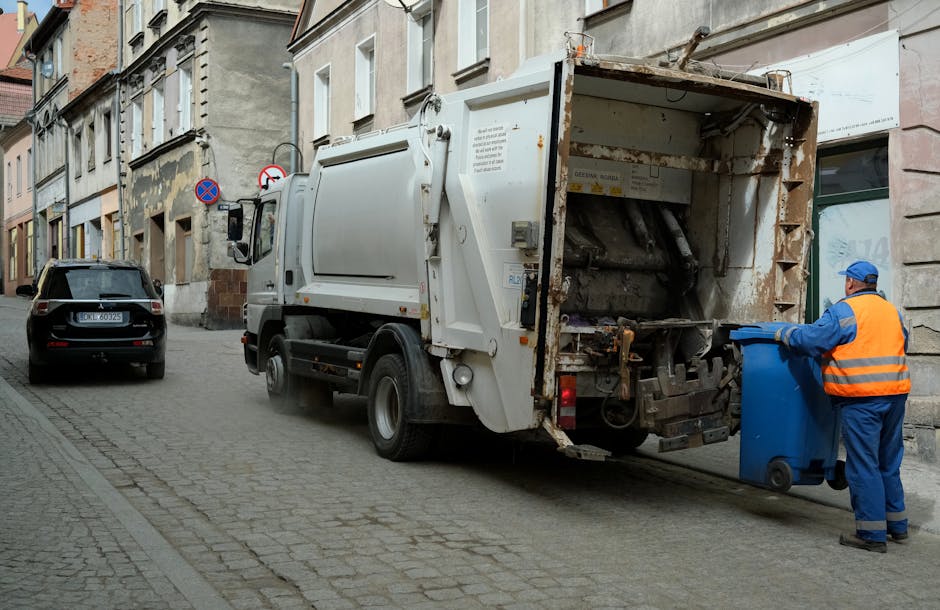
Richmond High Street rubbish removal guide for residents
If you live near Richmond High Street, rubbish has a habit of building up in the background of everyday life. One broken chair in the hallway. A few sacks after a declutter. A fridge that has been sitting there for weeks because nobody knows where to start. This Richmond High Street rubbish removal guide for residents is here to make the whole thing feel straightforward, calm, and actually doable.
You will find practical advice on how rubbish removal works, what to watch out for, which options make sense for different households, and how to avoid paying for a service you do not really need. We will also cover safety, compliance, recycling, and a few local realities that matter more than people expect, especially when access is tight or the job needs to happen quickly. Let's face it, rubbish is rarely exciting. But getting rid of it properly can make a room feel lighter almost immediately.
Why Richmond High Street rubbish removal guide for residents Matters
Richmond High Street is busy, visible, and a little unforgiving when clutter starts to pile up. Flats above shops, period homes nearby, tight stairwells, limited parking, awkward loading points, and everyday foot traffic all make rubbish removal more than a simple lift-and-carry job. If you leave waste sitting too long, it can become a nuisance, create smells, attract pests, or just make your home feel permanently half-finished.
For residents, the real issue is not only disposal. It is timing, access, sorting, and choosing a method that fits the property. A one-bedroom flat with no lift needs a different approach from a house with a side return or a garage full of old bits and pieces. That is why a local rubbish removal guide matters. It helps you plan before the pile gets awkward.
There is also the practical side. People often underestimate the difference between general household rubbish, bulky waste, reusable items, and specialist waste streams. A sofa is not the same as rubble. A broken fridge is not the same as garden cuttings. And hazardous items really should not be mixed in with general rubbish, however tempting it is to just get everything out of sight. If in doubt, a service such as professional waste removal can help separate the job properly.
Expert summary: the best rubbish removal plan is usually the one that matches your access, waste type, and urgency rather than the one that looks cheapest at first glance.
How Richmond High Street rubbish removal guide for residents Works
In simple terms, rubbish removal for residents is the process of collecting unwanted items from your property and moving them into the correct disposal or recycling route. In practice, there are usually a few moving parts: what the waste is, how much you have, where it is stored, and whether the pickup needs to happen inside the property or from kerbside access.
A good service usually starts with a description of the waste. Sometimes that is enough for a quick quote. Other times, especially where furniture, appliances, or mixed household waste are involved, a little more detail helps avoid surprises later. Clear photos can be useful, though not every job needs them. A small pile by the front door is very different from a full loft clearance, and the method should reflect that.
Residents often compare waste removal with a skip, because those are the two common routes. But they are not interchangeable. A skip can suit longer projects if you have the space and the right permissions. Manual collection is often better for flats, terraced houses, or locations where access is awkward and you want the waste gone in one visit. If you want to understand what can and cannot go into a skip, the page on skip contents guidance is a useful reference point.
For larger domestic clearances, residents sometimes also need a broader service. That can include home clearance, house clearance, or more targeted options like flat clearance when the property layout is the main challenge.
Key Benefits and Practical Advantages
The biggest benefit is obvious: the waste disappears. But there is a lot more to it than that, especially for people living near Richmond High Street where space is often at a premium. A proper removal can clear the path, reduce stress, and make the property easier to live in or prepare for sale, letting, renovation, or a change of tenants.
Here are the main advantages residents usually care about:
- Time saved: no repeated trips to a disposal site, no waiting around for council collection windows, and no half-day lost to loading a car.
- Less physical strain: bulky furniture, awkward appliances, and heavy bags are not fun on narrow stairs. Truth be told, they are usually a job best left to people who do it all the time.
- Better sorting: items can be separated for recycling, reuse, and disposal instead of being thrown together blindly.
- Cleaner presentation: important if you are staging a property, preparing for decorators, or trying to reclaim a spare room before the weekend.
- More flexible access: a removal team can often handle jobs that are awkward for skips or too fiddly for a simple bin collection.
There is also a peace-of-mind factor. Once the clutter is gone, the room feels bigger, lighter, and less mentally noisy. You notice it most in the morning, oddly enough. That hallway that felt like a storage corridor suddenly looks like part of a home again.
If the waste includes old sofas, mattresses, or worn-out chairs, dedicated services such as mattress and sofa disposal or furniture disposal can be a better fit than a general uplift.
Who This Is For and When It Makes Sense
This guide is for residents who want a practical answer to the same question: how do I get rid of rubbish without creating a bigger headache? That could mean a tenant clearing a flat before moving out, a homeowner tackling years of build-up in the loft, or a family sorting garden waste after a burst of weekend work. It could also mean someone dealing with one annoying item that is too large for the bin and too awkward for a car.
It makes sense if you are dealing with:
- bulky household rubbish
- old furniture or broken furniture
- loft, garage, or shed contents
- bagged waste after a declutter
- garden waste after pruning or landscaping
- appliances that need careful removal
- mixed items from a home move, refurbishment, or clear-out
Residents in flats and maisonettes often find rubbish removal particularly useful because lifting waste down stairs, through shared hallways, or past neighbours can be a bit of a nuisance. For those jobs, the convenience of an inside collection matters. Likewise, if you are clearing out the whole place rather than a single room, a broader service such as house clearance or loft clearance may be more efficient.
One small but useful test: if you are already planning more than one trip, or if the waste is starting to block normal use of the space, it is probably time to stop improvising and book a proper collection. That is usually the moment when people think, why did I wait so long?
Step-by-Step Guidance
Here is a practical way to approach rubbish removal without overcomplicating it. Keep it simple, keep it sorted, and you will save yourself a surprising amount of time.
- Identify the waste type. Separate general rubbish, furniture, appliances, garden waste, rubble, and anything hazardous. This step matters more than people think.
- Estimate the amount. A few bags, a van-load, or a whole room? Scale changes the best option.
- Check access. Note stairs, narrow entrances, parking restrictions, lift access, and whether the waste needs to be taken from inside the property.
- Remove anything you want to keep. Sounds obvious, but it is the one mistake people make under pressure. A quick final sweep can save a lot of regret.
- Group items by category. Keep appliances together, furniture together, and loose waste together if possible.
- Ask for a clear quote. Make sure the estimate reflects the actual volume, access, and any special handling needed.
- Prepare the route. Move small obstacles, protect shared flooring if necessary, and make sure doors can open fully.
- Schedule the collection. Choose a time that avoids school-run chaos, peak delivery hours, or the narrow window when parking is impossible.
- Confirm disposal details. If recycling, reuse, or specialist disposal is involved, make sure the service is set up for that type of waste.
For some residents, especially those wanting a quicker booking process, the online booking option can be a handy way to get things moving without lots of back-and-forth. And if your clear-out is part of a broader project, the page on builders waste clearance may be useful for renovation debris.
Expert Tips for Better Results
Most rubbish removal problems are avoidable with a bit of planning. The trick is to think like the crew would think: what slows the job down, what creates risk, and what makes sorting harder than it needs to be?
Tip 1: Put the heaviest items closest to the collection point if you can do so safely. That does not mean carrying furniture into a risky position, just reducing unnecessary back-and-forth. A sofa already by the front entrance is easier than one buried behind two wardrobes and a stack of winter coats.
Tip 2: Keep hazardous items separate. Paint, chemicals, gas cylinders, sharps, and certain electricals often need special handling. Do not sneak them into general waste. It is not worth the risk.
Tip 3: Be realistic about access. If there is no parking outside, say so. If there are four floors and no lift, say so. A clear description upfront usually leads to a smoother visit and fewer surprises on the day.
Tip 4: Photograph the waste before booking. This is especially useful for mixed loads. It gives the removal team a better sense of volume and item types. Saves time. Saves awkwardness. Very dull, very effective.
Tip 5: Think in terms of reuse where possible. Some items may be suitable for reuse or separate recycling streams. A service with a strong sustainability focus, such as recycling and sustainability, is worth considering if you care about where things end up.
And one more, slightly unglamorous tip: do not leave the job until the evening before a deadline. That is how people end up dragging a mattress downstairs at 7:30 in the morning with a cup of tea going cold on the radiator. No one needs that.
Common Mistakes to Avoid
There are a few classic mistakes that come up again and again. None are dramatic on their own, but together they can turn a simple rubbish removal into a frustrating mess.
- Underestimating volume: small piles grow fast once you start sorting cupboards, sheds, and the back of wardrobes.
- Mixing waste types: this can make disposal more complicated and may increase cost or delay the collection.
- Forgetting access details: shared entrances, low ceilings, and tight staircases matter.
- Assuming everything is general waste: appliances, mattresses, and construction waste often need separate handling.
- Booking too late: if you are moving out or starting work on a room, timing matters more than people expect.
- Choosing the wrong method: a skip sounds simple, but it is not always the best fit for a Richmond High Street property.
Another quiet mistake is failing to think about neighbours. In blocks of flats, even a short collection can cause inconvenience if shared spaces are blocked. A quick heads-up is polite and often very useful. It keeps things friendly, which, honestly, is never a bad thing in a busy building.
Tools, Resources and Recommendations
You do not need specialist equipment for most resident rubbish removals, but a few simple tools make the process cleaner and safer.
- Strong bin bags or rubble sacks: better than thin bags that split halfway down the stairs.
- Gloves: useful for sharp edges, dust, and general grime.
- Labels or marker pens: helpful if you want to separate keep, donate, recycle, and remove piles.
- Tape or straps: handy for securing loose furniture parts or appliance doors.
- Phone camera: good for documenting items before a collection quote.
If your rubbish removal is part of a larger domestic project, the following pages may also help you think through the right service:
- furniture clearance for bulky household pieces
- garage clearance for stored items and odds and ends
- garden clearance for green waste and outdoor debris
- fridge and appliance removal for white goods and electricals
- home clearance for wider declutter projects
For residents who want to compare costs or understand what affects the quote, the pricing and quotes page is a sensible place to start. It is always better to understand the moving parts before you commit.
Law, Compliance, Standards, or Best Practice
Waste disposal in the UK is not something to take lightly. You do not need to become a legal expert to clear your home, but you should know the basics. The main principle is simple: waste should be handled responsibly, and anything hazardous or specialist should be treated appropriately.
For residents, best practice usually means checking that the waste is being taken to a lawful destination, that recyclable items are separated where possible, and that unsafe materials are not mixed into general household rubbish. If a job involves anything potentially risky, such as sharp objects, heavy appliances, or chemicals, the handling process should reflect that.
Insurance and safety also matter. A reputable removal setup should be able to manage the physical side of the work without damaging your property or putting people at risk. That is one reason many residents look for a company with clear insurance and safety information and a published health and safety policy. It is not about paperwork for the sake of it. It is about knowing the job will be handled properly.
If you need to dispose of items that could be dangerous or require special care, use the dedicated hazardous waste disposal route rather than mixing them into a general uplift. That small choice can prevent a lot of hassle later.
There is also a trust element. Residents should feel comfortable asking how waste is processed, what happens to reusable items, and how data-bearing material is handled where relevant. If you have documents mixed into a clear-out, confidential handling may be important, which is where confidential shredding becomes relevant. Not every household needs it, but when you do, you really do.
Options, Methods, or Comparison Table
Choosing the right removal method usually comes down to access, waste type, and convenience. Here is a simple comparison to help residents think it through.
| Option | Best for | Pros | Things to watch |
|---|---|---|---|
| Manual rubbish removal | Flats, houses, and mixed domestic waste | Fast, flexible, often best for awkward access | Need clear instructions and decent access |
| Skip hire | Longer projects and self-loading jobs | Good for ongoing work and heavy waste | Space, loading, and item restrictions matter |
| Targeted disposal service | Furniture, mattresses, appliances, garden waste | More tailored handling and better sorting | May be less useful for mixed, multi-room clear-outs |
| Full property clearance | End-of-tenancy, probate, major declutter | Covers a lot in one go, less coordination | Needs more planning and a fuller quote |
For many Richmond High Street residents, the deciding factor is not really price alone. It is the combination of access, speed, and how much lifting you want to do yourself. A small job can be handled simply. A bigger, messier one usually benefits from a more tailored service.
Case Study or Real-World Example
Consider a typical scenario. A resident in a flat near Richmond High Street has spent a few weekends clearing out the spare room. There are two old chairs, a broken chest of drawers, several bin bags of mixed clutter, and an unused appliance that has been sitting near the wall for months. None of it is dramatic, but together it has turned the room into somewhere you avoid.
At first, they think about hiring a skip. Then they realise the building has limited parking, shared access, and no easy place to keep a skip without causing a headache for neighbours. So they go for a collection service instead. The items are grouped by type, the access is explained clearly, and the removal happens in a single visit. The appliance is handled separately, the furniture is moved out without wall scuffs, and the bags are taken away cleanly.
The interesting bit is what happens afterwards. The resident does not just have a clearer room. They stop using the spare room as a dumping ground for old decisions. A desk goes in. The space feels useful again. That is the real value of good rubbish removal. It gives you the room back, not just the floor space.
This kind of outcome is common with flat clearance and smaller domestic clear-outs, especially where access is tight and the waste is mixed rather than neatly boxed up.
Practical Checklist
Before you book, run through this quick checklist. It saves time, and it avoids the sort of day-of-discovery that nobody enjoys.
- Have I separated general waste from furniture, appliances, and hazardous items?
- Do I know roughly how much needs removing?
- Have I checked access, stairs, parking, and any shared entrances?
- Are there items I want to keep or sell before the collection?
- Have I taken photos for a clearer quote if needed?
- Do I need a specialist service for appliances, mattresses, garden waste, or construction debris?
- Is the collection time realistic for my schedule and the building layout?
- Have I told the service about anything awkward, heavy, or potentially hazardous?
- Do I need to review pricing details before confirming?
- Am I clear on how the waste will be handled afterwards?
Small checklist, big difference. It is the kind of thing that looks almost too simple to matter, but it really does.
Get a free quote today and see how much you can save.
Conclusion
Richmond High Street rubbish removal for residents is really about making a messy task manageable. Once you know what type of waste you have, how much there is, and what access looks like, the rest gets much easier. The best approach is usually the one that fits your home, your timeline, and your energy level. No heroics needed.
If your rubbish is part of a wider declutter, you may also want to look at house clearance, furniture clearance, or a more general waste removal service to keep things simple. And if you want to know more about the team behind the service, the about us page is worth a look.
When the clutter is gone, the day feels different. The hallway is easier to cross, the room looks brighter, and you can breathe a bit easier. That matters more than people admit.
Frequently Asked Questions
What is the easiest way for Richmond High Street residents to remove rubbish?
For most residents, the easiest option is a collection service that lifts waste from inside the property or from a convenient access point. It is often simpler than hiring a skip if space is limited or parking is awkward.
Can I mix furniture, bags of rubbish, and appliances in one collection?
Often yes, but it depends on the type of items and how they need to be handled. Appliances and certain bulky items may need separate treatment, so it is best to describe everything clearly before booking.
Is rubbish removal better than skip hire for flats near Richmond High Street?
Quite often, yes. Flats usually have tighter access, less storage space, and more restrictions around placing a skip. A collection service can be more practical because it avoids loading waste yourself and reduces access issues.
How do I know if my waste is hazardous?
If the items include chemicals, solvents, oils, sharps, batteries, or other potentially dangerous materials, treat them as hazardous until confirmed otherwise. Do not mix them into general household waste.
What should I do before the collection team arrives?
Separate items where possible, clear a route, check access, and remove anything you want to keep. It also helps to tell the team about stairs, parking, or any awkward items in advance.
Can old mattresses or sofas be taken away?
Yes, usually through a dedicated furniture or mattress disposal service. These items are bulky and awkward, so specialist handling is often the most sensible route.
How quickly can rubbish be removed?
That depends on availability and the size of the job. Small collections can sometimes be arranged quickly, while larger clear-outs may need more planning. If you are working to a deadline, say so early.
Do I need to sort recycling myself?
Not always, but it helps. The more clearly items are separated, the easier it is for the service to direct them into the right route. Some services will sort materials as part of the process.
What happens if I have more waste than expected?
Then the quote or vehicle load may need to be adjusted. This is one reason it is worth being honest about volume and sending photos if asked. Underestimating usually causes more hassle than simply being accurate from the start.
Is there a difference between rubbish removal and house clearance?
Yes. Rubbish removal usually refers to collecting unwanted waste or bulky items, while house clearance is broader and can cover a larger portion of the property. If you are clearing multiple rooms, house clearance may be more suitable.
What if I only have a few items to get rid of?
Then a small collection is often the best fit. You do not need to overcomplicate it. A few items can still be worth professional removal if they are heavy, hard to move, or difficult to dispose of properly on your own.
Where can I learn more about the company and its policies?
You can review the terms and conditions, payment and security information, and complaints procedure for a clearer picture of how the service is run.
What if I need to get in touch before booking?
If you are unsure about the best service for your waste, use the contact page to ask a question before you commit. Sometimes one short conversation saves a lot of guesswork, and that is never a bad thing.