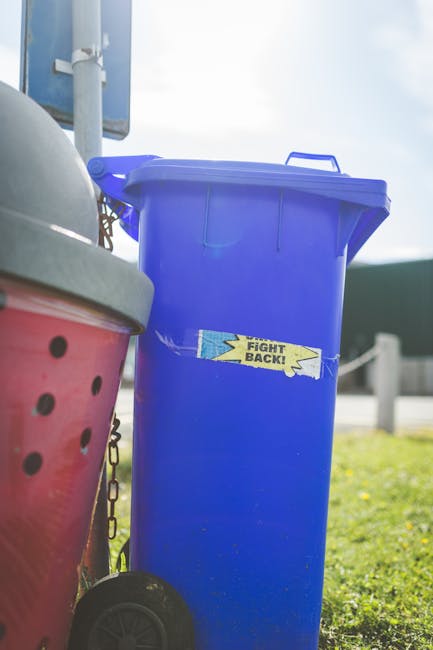
Kew Gardens rubbish collection tips for local households
If you live locally, rubbish can become one of those tiny household jobs that somehow takes over the week. A bag by the front gate, a box in the hallway, a broken chair in the shed, and suddenly the place feels cluttered. These Kew Gardens rubbish collection tips for local households are designed to help you deal with waste more calmly, more neatly, and with fewer last-minute headaches.
Whether you are clearing a flat, managing a busy family home, or just trying to keep on top of garden cuttings and bulky items, a simple system makes all the difference. In this guide, we will walk through how rubbish collection works in practice, what to do with different waste types, how to avoid common mistakes, and when it makes sense to use a professional waste removal service or plan a larger clearance.
Let's face it: rubbish is never exciting. But handled properly, it is one of the quickest ways to keep a home feeling lighter, cleaner, and much easier to live in.
Table of Contents
- Why Kew Gardens rubbish collection tips for local households Matters
- How Kew Gardens rubbish collection tips for local households Works
- Key Benefits and Practical Advantages
- Who This Is For and When It Makes Sense
- Step-by-Step Guidance
- Expert Tips for Better Results
- Common Mistakes to Avoid
- Tools, Resources and Recommendations
- Law, Compliance, Standards, or Best Practice
- Options, Methods, or Comparison Table
- Case Study or Real-World Example
- Practical Checklist
- Conclusion
- Frequently Asked Questions
Why Kew Gardens rubbish collection tips for local households Matters
Household rubbish is not just about getting things out of sight. In a place like Kew Gardens, where streets, homes, gardens, and shared access points can all feel a bit tight, poor waste habits can create small but annoying problems very quickly. Bags left too long can attract pests, create odours, and make pavements look untidy. Bulky waste can block hallways or communal areas. Recyclables mixed with general rubbish can lead to avoidable extra disposal work later.
Good rubbish collection habits also reduce stress. If you have ever stood in the kitchen on a Sunday evening wondering where a pile of packaging, old clothes, and a broken vacuum should go, you will know the feeling. The job seems small until it is suddenly not small at all.
There is also a practical side. The cleaner and better sorted your waste is, the easier it becomes to decide whether a regular collection, a trip to a disposal point, or a booked clearance is the right move. That is why a few local routines can save time, mess, and unnecessary lifting.
Practical takeaway: tidy waste habits are not just about appearances; they help households stay safer, reduce clutter, and make collection day far less stressful.
How Kew Gardens rubbish collection tips for local households Works
At household level, rubbish management usually comes down to three things: separation, timing, and container choice. Once you get those right, most of the chaos disappears. Sort your waste into the right streams, keep it ready for the right collection day, and choose the right container or service for what you actually need to move.
For everyday rubbish, this often means keeping general waste, dry mixed recycling, food waste, garden material, and bulky items separate as much as possible. That may sound obvious, but in real homes it gets muddled fast, especially during a loft sort, end-of-tenancy clean, or post-renovation tidy-up. A box of mixed rubbish can be far more awkward than five smaller sorted piles. Funny how that works.
For larger items, regular bins may not be enough. A household dealing with a sofa, mattress, fridge, or a pile of old furniture may need a specialist collection route. If that sounds familiar, services such as mattress and sofa disposal or furniture disposal can be a more sensible fit than trying to break everything down by hand. For garden waste, the same logic applies: a few trimmings are manageable, but a full hedge cut can quickly become a proper job, which is where garden clearance can help.
A practical household routine usually follows this pattern:
- Separate waste as you create it.
- Store it safely and dry, where possible.
- Check what is due for regular collection and what is not.
- Book a specialist service for bulky, heavy, or awkward items.
- Keep recyclables clean and contamination-free.
The real trick is not perfection. It is consistency. A little consistency goes a long way.
Key Benefits and Practical Advantages
When household rubbish is handled properly, the benefits show up in ordinary day-to-day life. Not in some dramatic way, just in the quiet relief of a home that feels under control.
- Less clutter: fewer piles in the kitchen, hallway, loft, or utility space.
- Better hygiene: reduced smells, fewer pests, and cleaner shared areas.
- Easier sorting: recycling is simpler when items are already separated.
- Safer movement around the home: less tripping over bags, boxes, and awkward objects.
- Lower stress on collection day: everything is ready rather than rushed.
- Smarter use of services: you can match the waste type to the right method.
There is another benefit people sometimes overlook: decision-making gets easier. Once you know the difference between general rubbish, recyclable material, and items that need specialist handling, you stop guessing. That saves time and, often, a fair bit of frustration.
If you are managing a bigger household clear-out, it can also help to understand the wider range of services available. For example, a home that has accumulated boxes in the spare room, old clothes in the loft, and broken furniture in the garage may be better suited to a fuller home clearance or house clearance rather than several small trips.
Who This Is For and When It Makes Sense
This topic is useful for a broad mix of local households. Some people are simply trying to stay on top of weekly rubbish. Others are in the middle of a bigger life admin moment, and those moments always seem to arrive at the most inconvenient time.
You may find these tips especially useful if you are:
- living in a flat and dealing with limited storage space
- running a family home with a lot of packaging, food waste, and everyday refuse
- sorting out a garage, loft, or garden after months of build-up
- preparing to move house or hand back a rental property
- dealing with bulky items that will not fit in standard bins
- trying to improve recycling habits and reduce contamination
It also makes sense if you just want fewer surprises. A home can look tidy on the surface and still have a stubborn backlog of waste behind the scenes. A cupboard full of old paint tins, a shed with broken plastic planters, or a spare room full of packaging can all turn into a bigger issue later. Better to catch it early.
If the property is a smaller apartment or a shared building, you might also want to look at flat clearance options when the waste goes beyond ordinary collection. That is especially useful when lifts, stairs, or shared entrances make bulky items awkward.
Step-by-Step Guidance
Here is a straightforward way to handle household waste without overcomplicating it.
1. Walk through the property room by room
Start with the obvious places: kitchen, bathroom, garden, loft, garage, and utility area. You will usually find three categories almost immediately: everyday rubbish, recyclable waste, and items that need special disposal. Put each category into its own pile or bag. Do not mix them just because you are in a hurry. That is where the mess starts.
2. Separate bulky and awkward items early
Old chairs, mattresses, fridges, broken shelving, and worn-out furniture are best handled separately from bin waste. They are heavy, inconvenient, and often need different disposal routes. If the item is electrical or refrigerant-based, you should be extra careful. A family clearing the kitchen after a new appliance installation, for example, might need fridge and appliance removal rather than hoping it can be bundled into general waste.
3. Keep recyclables clean and dry
Food residue, liquids, and mixed materials can ruin a recycling bag pretty quickly. Flatten cardboard. Rinse containers if needed. Remove obvious contamination. It does not have to be spotless, but it should be reasonably clean. That part matters more than people think.
4. Store waste safely until collection
Keep bags tied, boxes stable, and anything sharp or heavy tucked away from walkways. If you have pets, children, or a busy hallway, this becomes even more important. Nobody wants a torn bag rolling across the floor at 7 a.m. before school. Truth be told, that is a very ordinary kind of household disaster.
5. Choose the right disposal route
For mixed household waste, regular collection is often enough. For one-off bulky items or bigger clear-outs, a booked service may be faster and less stressful. If you are comparing options, looking at pricing and quotes can help you decide whether a small collection or a fuller clearance makes better sense.
6. Book in advance when needed
Do not leave specialist waste until the night before a move or renovation deadline. Collection slots fill up, and awkward items take planning. A few days' lead time gives you room to sort, label, and stack everything properly.
Expert Tips for Better Results
After seeing enough household waste jobs, a few patterns become obvious. The homes that handle rubbish best are not necessarily the tidiest homes. They are the homes with a simple routine.
Tip 1: Keep one "sorting zone" in the home. A corner of the utility room, shed, or hallway cupboard can work well. Use it to hold bags for recycling, general waste, and items waiting for collection. If everything has a place, the pile-up is less likely to spread.
Tip 2: Deal with one category at a time. General waste first, then recycling, then bulky items. Jumping between categories creates confusion and slows you down.
Tip 3: Watch for hidden heavy items. A bag that looks light can contain broken crockery, damp cardboard, or mixed debris that makes it surprisingly hard to lift. A quick weight check saves a strained back.
Tip 4: Think in zones, not just bags. If the loft, garage, and garden all need attention, split the job into zones. It feels slower at first, but it actually avoids that horrible half-finished feeling where every room is just a bit worse than before.
Tip 5: Don't ignore odd waste. Paint, solvents, broken mirrors, sharp metal, and certain electrical items may need more careful handling. If something feels off, treat it cautiously rather than throwing it in with the rest.
A small but useful habit: keep a note of what you are waiting to dispose of. A paper list on the fridge is enough. Old-school, yes. But it works.
Common Mistakes to Avoid
Most waste problems come from a few predictable mistakes. Avoid these and household rubbish gets easier almost immediately.
- Mixing everything together: recycling contamination is one of the fastest ways to create extra sorting work.
- Leaving bulky items in passageways: they become obstacles and can be a safety issue.
- Assuming every item can go in the same bin: that is rarely true, especially for appliances and furniture.
- Waiting too long to arrange collection: one day becomes three, then the waste becomes part of the scenery.
- Forgetting about access: stairwells, narrow paths, parked cars, and communal entrances can affect how waste should be moved.
- Overfilling bags: they split, leak, and become unpleasant to move.
One very common mistake is underestimating how much space broken-down waste still takes up. Cardboard, timber, and packaging can look small at first, then somehow occupy half the hallway. Oddly efficient, in a bad way.
Tools, Resources and Recommendations
You do not need anything fancy to manage rubbish well at home. A few simple tools usually do most of the work.
- Sturdy bin bags: useful for general waste and dry rubbish.
- Reusable boxes or crates: good for sorting recyclable materials and keeping items dry.
- Marker pens and labels: helpful when several people are involved in the same household.
- Gloves: sensible for lofts, garages, gardens, and anything dusty or sharp.
- Trolley or sack barrow: handy for heavier items, especially in larger homes.
- Dust sheet or old blanket: useful when moving furniture through narrow spaces.
If you are clearing a lot at once, the right service matters too. For example, a household with sofas, tables, cupboards, or other unwanted pieces may benefit from furniture clearance. If the waste is mainly from a longer-term storage build-up, garage clearance or loft clearance may be the better fit.
For homeowners thinking about what can legally go into a load or container, the page on what can go in a skip is a useful reference point for understanding common material types and exclusions. Even if you do not use a skip, the principles are still helpful.
Law, Compliance, Standards, or Best Practice
Waste handling in the UK is not something to be casual about. You do not need to become a legal expert, but you do need to follow sensible best practice. The main idea is simple: household waste should be stored, separated, and handed over responsibly so it does not create risk for people, property, or the environment.
For local households, that usually means being careful with:
- hazardous or specialist waste: items such as chemicals, certain paints, and other problematic materials should not be mixed in with ordinary rubbish
- electrical items: fridges, freezers, and similar appliances often require special handling
- sharp or heavy waste: broken glass, metal, and damaged furniture should be wrapped or segregated where needed
- access and safety: waste should not block exits, staircases, or communal areas
It is also sensible to choose providers with clear processes around safety, handling, and disposal standards. If you are checking a company before booking, the pages on health and safety policy and insurance and safety can help you understand how they approach risk and responsibility. Likewise, if your waste includes sensitive paperwork, confidential shredding is a more appropriate route than standard disposal.
If the material is genuinely hazardous, treat it with extra care and do not guess. A cautious approach is better than a quick one here.
Options, Methods, or Comparison Table
Different waste situations call for different solutions. A weekly bag of kitchen waste is one thing. An old wardrobe, a broken washing machine, and three sacks of garden cuttings are another matter entirely.
| Method | Best for | Strengths | Watch-outs |
|---|---|---|---|
| Regular household collection | Everyday rubbish and routine recycling | Simple, familiar, usually the first step | Not suitable for bulky or specialist items |
| DIY sorting and drop-off | Smaller one-off loads you can safely transport | Good control over sorting | Time-consuming and physically demanding |
| Specialist household clearance | Bulky items, mixed clutter, awkward access, or larger clear-outs | Fast, convenient, less lifting for you | Needs planning and clear scope |
| Targeted disposal service | Furniture, appliances, mattresses, garden waste, or loft/garage contents | Focused solution for a specific waste type | Best when the load is clearly defined |
If your home project is bigger than a few bags, services such as house clearance or builders waste clearance may be more practical than trying to piece together several small disposal methods. And if the job mainly involves tired household furniture rather than mixed clutter, furniture disposal can be a neat, direct option.
Case Study or Real-World Example
Here is a realistic example. A small household in Kew Gardens had been stacking "temporary" items in a spare room for months. Nothing dramatic. Just old boxes, a broken bedside table, an unused pushchair, some packaging from a recent delivery, and a mattress that had been moved twice and was now living in limbo. You know the type of room. The one everyone avoids saying much about.
They started by sorting items into three groups: keep, dispose, and decide later. That last group was kept small on purpose. Once the usable items were removed, the actual waste was easier to see. The furniture was separated from general rubbish, the packaging was flattened, and the mattress was set aside for proper disposal. After that, the room felt bigger immediately. Not cleaner in some magical way, just lighter and much less awkward.
What worked best was not speed. It was sequence. First the obvious waste, then the bulky items, then the final sweep for small forgotten bits. A few hours later, the room had gone from being a storage problem to a usable space again. That is usually how these jobs go: not glamorous, but very satisfying.
Practical Checklist
Use this checklist before collection day or before booking a clearance:
- Have I separated general rubbish, recycling, and bulky items?
- Are any items sharp, heavy, or likely to leak?
- Do I have a safe place to store waste until it goes?
- Have I identified any appliances, mattresses, or furniture that need special handling?
- Is access clear through hallways, gardens, stairwells, or communal areas?
- Have I flattened boxes and reduced avoidable volume?
- Have I checked whether anything needs confidential handling or extra care?
- Do I know whether this is a simple collection or a larger clearance job?
- Have I arranged the timing so waste is not sitting around for too long?
- Would a professional service save time, lifting, or disruption?
A quick check like this can save a surprising amount of hassle. Five minutes now is often worth an hour later.
Conclusion
Good household rubbish management is really about making life a bit easier. The best Kew Gardens rubbish collection tips for local households are the simple ones: sort waste early, keep bulky items separate, store things safely, and match the job to the right disposal route. Once you do that, the whole process becomes calmer and more predictable.
And if your waste is moving beyond ordinary bin day, that is fine. Plenty of homes reach that point. It just means the job needs a better tool, not more stress. A well-organised collection or clearance can quickly give you back space, order, and a proper sense of progress. That little win matters more than people think.
Get a free quote today and see how much you can save.
When the clutter is gone and the bags are out of the way, the whole house tends to breathe a bit easier. Funny, that.
Frequently Asked Questions
What is the easiest way to manage household rubbish in Kew Gardens?
The easiest method is to sort waste as you create it. Keep general waste, recycling, and bulky items separate, then choose the right collection or clearance route for each type. A small routine prevents a much bigger mess later.
Can I put all my waste out together on collection day?
Not usually. It is better to separate recyclable material from general rubbish and keep bulky or specialist items apart. Mixing everything together can create contamination and make disposal harder than it needs to be.
What should I do with old furniture that will not fit in the bin?
Old furniture is best treated as a separate disposal job. Depending on what you have, furniture clearance or furniture disposal may be the most practical route.
How do I deal with a mattress or sofa?
Mattresses and sofas are bulky, awkward, and not suitable for ordinary bin collection. A dedicated service is usually the simplest solution, especially if you want them moved safely and efficiently.
What if I have garden waste from pruning or clearing beds?
Garden waste should be kept separate from general household rubbish. Small amounts may be easy to handle, but larger clear-ups can be better managed through garden clearance.
Is it worth booking a clearance service instead of waiting for bin day?
If your waste is bulky, mixed, heavy, or taking up living space, yes, it often is. Waiting for bin day can be fine for small loads, but bigger household clear-outs usually go more smoothly with a booked service.
How can I stop rubbish from smelling before it is collected?
Keep food waste sealed, tie bags properly, and store rubbish in a cool, dry place where possible. Empty bins regularly and do not leave leaking items sitting around indoors.
What is the best way to prepare for a loft or garage clear-out?
Work zone by zone. Pull everything out in manageable groups, sort as you go, and separate anything sharp, dusty, or heavy. For bigger stored-up spaces, loft clearance or garage clearance can save a lot of effort.
What should I do with appliances such as fridges or freezers?
Appliances should be handled carefully because they may need special disposal. Fridges, freezers, and similar items are usually better dealt with through fridge and appliance removal rather than placed with ordinary waste.
How do I know if my waste needs special handling?
If it is hazardous, sharp, electrical, confidential, or unusually heavy, it probably does. When in doubt, treat the item cautiously and avoid mixing it with standard rubbish until you are sure.
Are there any safety basics I should follow at home?
Yes. Keep walkways clear, do not overfill bags, use gloves for dusty or sharp waste, and avoid lifting anything too heavy on your own. If access is tight, slow down a bit rather than forcing the job.
Where can I learn more about what can go into a load or container?
A useful starting point is the page on what can go in a skip. It is a practical reference for understanding common waste types and what usually needs separate treatment.
What should I do if I need to clear a whole property?
For a full-home job, a broader solution is usually best. House clearance or home clearance can be a good fit when the waste is spread across several rooms.
How do I choose the right waste company?
Look for clear pricing, sensible safety standards, and a straightforward approach to sorting and disposal. It also helps if the company explains how it handles recycling, insurance, and anything that needs special care. Simple, but important.